Ypres from Bruges: The Menin Gate at Eight, the Museum, and a Day Taken Seriously
The Salient’s town was erased in four years of war and rebuilt stone by stone. Every evening at eight, buglers sound the Last Post under the gate that carries 54,000 names of the missing — and have since 1928.
The short version
- Trains run Bruges to Ypres (Ieper) via a Kortrijk change in about two hours on ordinary fares — times at belgiantrain.be; drivers do it in about an hour, which is the practical route to the outlying cemeteries.
- The Ypres Salient held the line through four years of the First World War; the town at its center was shelled to rubble and rebuilt afterward to its old plans — the Cloth Hall you see is a faithful reconstruction of the medieval original.
- The In Flanders Fields Museum, inside that Cloth Hall, tells the Salient’s history through the people who lived and died in it — allow the two hours the alarm assigned; details at inflandersfields.be.
- The Menin Gate carries the names of more than 54,000 Commonwealth soldiers with no known grave; the Last Post ceremony beneath it at 8pm nightly — buglers of the local fire brigade, traffic stopped — has run continuously since 1928, interrupted only by occupation, and resumed the evening of liberation in 1944.
- Tyne Cot, the largest Commonwealth war cemetery in the world, and the Salient’s other grounds — Essex Farm, where John McCrae wrote ‘In Flanders Fields’; Langemark’s German cemetery — lie outside town, reached by car, taxi, or the local battlefield tours.
- Attendance at the ceremony is free and unticketed; arrive by 7:30 for a place under the arch, stand quietly, and let the two minutes carry themselves.

Getting there
The rail route via Kortrijk runs reliably if unhurriedly — about two hours each way, which frames the day’s central decision: the ceremony. Staying for the Last Post means leaving Ypres after 8:20pm, and the evening connections back to Bruges must be confirmed before you commit, per the alarm — they exist on most days, and verifying the day’s pattern is the one piece of planning this trip demands. Drivers halve the journey and gain the cemeteries; several Bruges-based tours run the Salient as a guided day with the ceremony included, which handles both problems at tour prices.
The visit
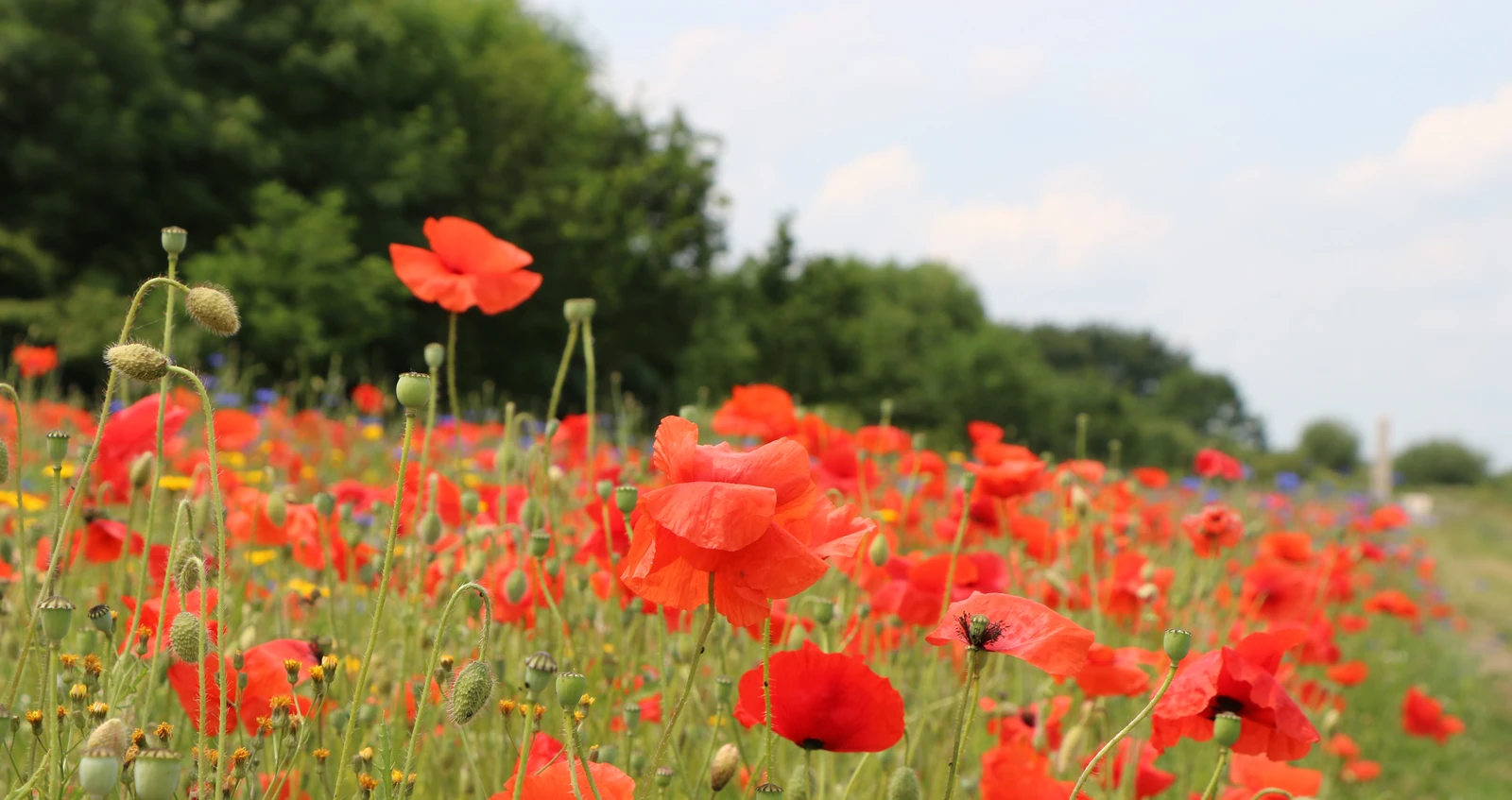
Begin in the museum and let it order everything after: the Salient’s geography, the four years compressed into human records, the poppy’s origin in McCrae’s poem written a few kilometers away. The town itself reads differently once you know it’s a reconstruction — the Grote Markt’s gables, St. Martin’s spire, all rebuilt by a community that returned to rubble and started again. St. George’s Memorial Church holds the British community’s plaques in quiet density. With transport, the afternoon goes out into the Salient: Essex Farm’s concrete dressing station, Tyne Cot’s terraces of stone rising toward the ridge they died for, Langemark’s dark oaks over the German dead — each asks its own silence. Return for an early Flemish dinner, then the Gate by 7:30. The buglers step into the roadway at eight. What follows takes two minutes and stays considerably longer.
Practical notes
The ceremony happens nightly in all weathers and is a civic act, not a performance — phones down, voices off, and applause follows local custom only on wreath-laying evenings. School groups and pilgrims swell summer attendance; winter evenings can stand a few dozen people under the arch with the buglers, which many consider the truest version. Dress for standing outdoors. The museum’s seasonal hours and closing days are worth confirming in the same check as the trains. Poppies, worn or laid, are always in season here.
Frequently Asked Questions
Why has the ceremony run since 1928?
The town resolved to thank those who fell defending it, nightly and permanently — the fire brigade’s buglers took the duty and their successors keep it. Through the Second World War’s occupation the ceremony continued in England, and resumed under the Gate the same evening Polish forces liberated Ypres in 1944. It has now sounded tens of thousands of times.
Can I attend without a tour?
Freely — the ceremony is public, unticketed, and reachable on foot from the station in ten minutes. The alarm’s late-train check is the only logistics. Tours add the outlying cemeteries and context; independence loses nothing at the Gate itself.
Is the museum suitable for children?
It presents war honestly — personal, unglorified, and affecting rather than graphic — and Flemish school classes visit as curriculum. Parents know their children; the museum’s approach helps rather than hinders.
How do I reach Tyne Cot without a car?
Local taxis quote fixed rounds from Ypres, seasonal bus connections serve Passchendaele imperfectly, and the Bruges- and Ypres-based minibus tours cover the Salient’s grounds with commentary. With one afternoon and no wheels, the museum plus the Gate is a complete and serious visit on its own.
Ypres or the Somme for a first battlefield visit?
From Belgium, Ypres — the Salient’s grounds sit close together, the museum anchors the story, and the nightly ceremony gives the visit its form. The Somme’s British memory runs deeper south into France and wants its own base. Either way, the register is the same: remembrance, not tourism.